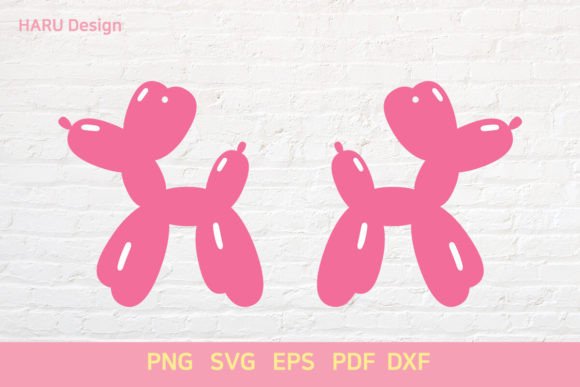
Balloon Dog Earring
A Design for Playful Embroidery
The Balloon Dog Earring immediately evokes a sense of whimsy and charm. Its playful shape, vibrant colors, and detailed balloons make it a standout piece that feels both nostalgic and fresh. As an experienced designer, I find the design’s visual personality to be ideal for a variety of embroidery projects, especially those targeting younger audiences or those looking to add a touch of fun to their handmade products.
First Impressions and Visual Appeal
At first glance, the Balloon Dog Earring is visually engaging. The bold outlines and clean lines suggest a modern yet approachable aesthetic. The balloons are proportionally balanced, creating a sense of harmony and movement. This makes the design feel dynamic and suitable for both casual and more refined applications.
The color palette is bright and eye-catching, which works well for designs that aim to stand out. However, as a designer, I would recommend testing the design on different fabric backgrounds to ensure it maintains its vibrancy and clarity in various lighting conditions.
Real-World Embroidery Use Cases
When considering real-life applications, the Balloon Dog Earring shines in custom apparel and personalized gifts. It would look great on tote bags, sweatshirts, and caps—projects where a playful design can add character without overpowering the overall look.
For baby items, the design could be adapted into embroidered patches or applique designs, adding a lighthearted touch to nursery decor. It also has potential for holiday embroidery, such as Christmas stockings or festive aprons, where its cheerful nature aligns perfectly with seasonal themes.
As a digital embroidery file, the Balloon Dog Earring offers versatility. With SVG, EPS, PNG, PDF, and DXF formats available, it’s easy to adapt for different machines and platforms. This makes it a solid choice for Etsy sellers and small shop owners looking to expand their product range.
Design Considerations for Real Projects
While the Balloon Dog Earring is visually appealing, there are several factors to consider before using it in a real project. For instance, the design includes intricate details that may require careful stitching. Areas with dense stitch patterns or small lettering should be tested on scrap fabric first to ensure they hold up under real-world conditions.
Additionally, the design’s size and complexity mean it may not be suitable for all hoop sizes. A 12in×12in artboard suggests it’s intended for larger hoops, so users should confirm their machine’s capabilities before proceeding. Proper stabilizer use is essential to prevent puckering and maintain stitch quality, especially on delicate or stretchy fabrics.
Dark fabrics can also pose challenges, as the design’s bright colors may lose some vibrancy. Testing the design in black and white mockups or on dark backgrounds can help identify any issues with contrast or clarity before committing to a final product.
Practical Designer Notes
- Test on scrap fabric: Always check the design’s performance on a test piece before using it on a finished product.
- Review thread color contrast: Ensure the chosen thread colors provide enough contrast against the fabric background.
- Confirm stitch density: High-density areas may require additional stabilizer or adjustments to prevent distortion.
- Check hoop size compatibility: The design’s scale means it may not fit smaller hoops without resizing or adjusting.
- Inspect small details: Pay close attention to tiny elements like eyes or text to ensure they remain clear after stitching.
- Use proper stabilizer: Choose a stabilizer that supports the fabric type and design complexity.
- Consider licensing: If selling finished products or digital files, verify the licensing terms to avoid legal issues.
- Test in black and white: This helps identify any hidden design flaws or poor contrast issues.
- Compare light and dark backgrounds: Ensures the design remains visually appealing across different contexts.
- Ensure brand consistency: The design should align with your brand’s visual identity, especially if used for commercial purposes.
Where to Use with Care
The Balloon Dog Earring is best suited for projects that allow room for detail and movement. However, it may not perform as well on textured fabrics, thin materials, or curved surfaces like caps. Dense stitch areas and small details could become problematic in these scenarios, leading to uneven stitching or loss of definition.
Products that require frequent washing, such as tea towels or baby clothes, should be approached with caution. The design’s intricate elements may wear down over time, affecting its longevity and visual appeal.
Visual Impact and Customer Trust
When used thoughtfully, the Balloon Dog Earring can significantly enhance the visual appeal of a handmade product. Its playful nature makes it ideal for personalized gifts, such as embroidered patches or custom tote bag designs. Customers are likely to appreciate the attention to detail and the unique character the design brings to their products.
From a branding perspective, the design can help create a cohesive and recognizable style for a craft business or Etsy shop. Consistent use of the Balloon Dog Earring across multiple products can build brand recognition and foster customer loyalty.
Conclusion
The Balloon Dog Earring is a versatile and charming design that offers great potential for a wide range of embroidery projects. Its playful theme and detailed layout make it a strong candidate for custom apparel, personalized gifts, and boutique merchandise. However, as with any design, it requires careful consideration of fabric type, hoop size, and stitching technique to ensure optimal results.
For designers and small business owners, the key is to approach the design with practical insight and a keen eye for detail. By testing, adapting, and refining, the Balloon Dog Earring can become a valuable asset in your creative toolkit.